
Regenerative Medicine

Umbilical Cord-Derived Regenerative Biologic

About

At Healing Biologix, we focus on affordable therapies and putting patients first. Our products are sourced in the USA from trusted manufacturers, following FDA and USP 797 guidelines to ensure safety and quality.

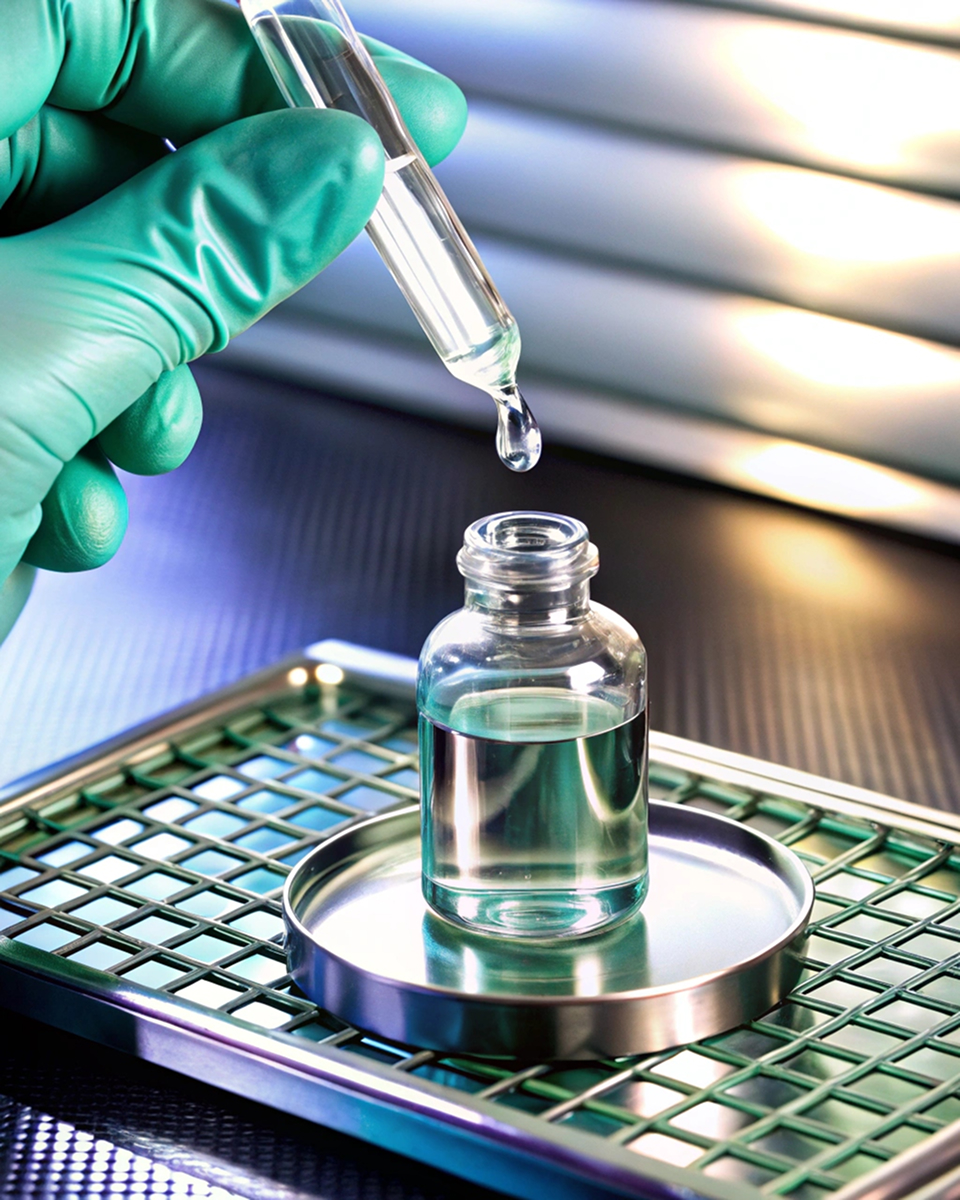
Healing ECM is made from voluntarily donated human perinatal tissue during planned cesarean deliveries, processed aseptically to maintain sterility and purity.

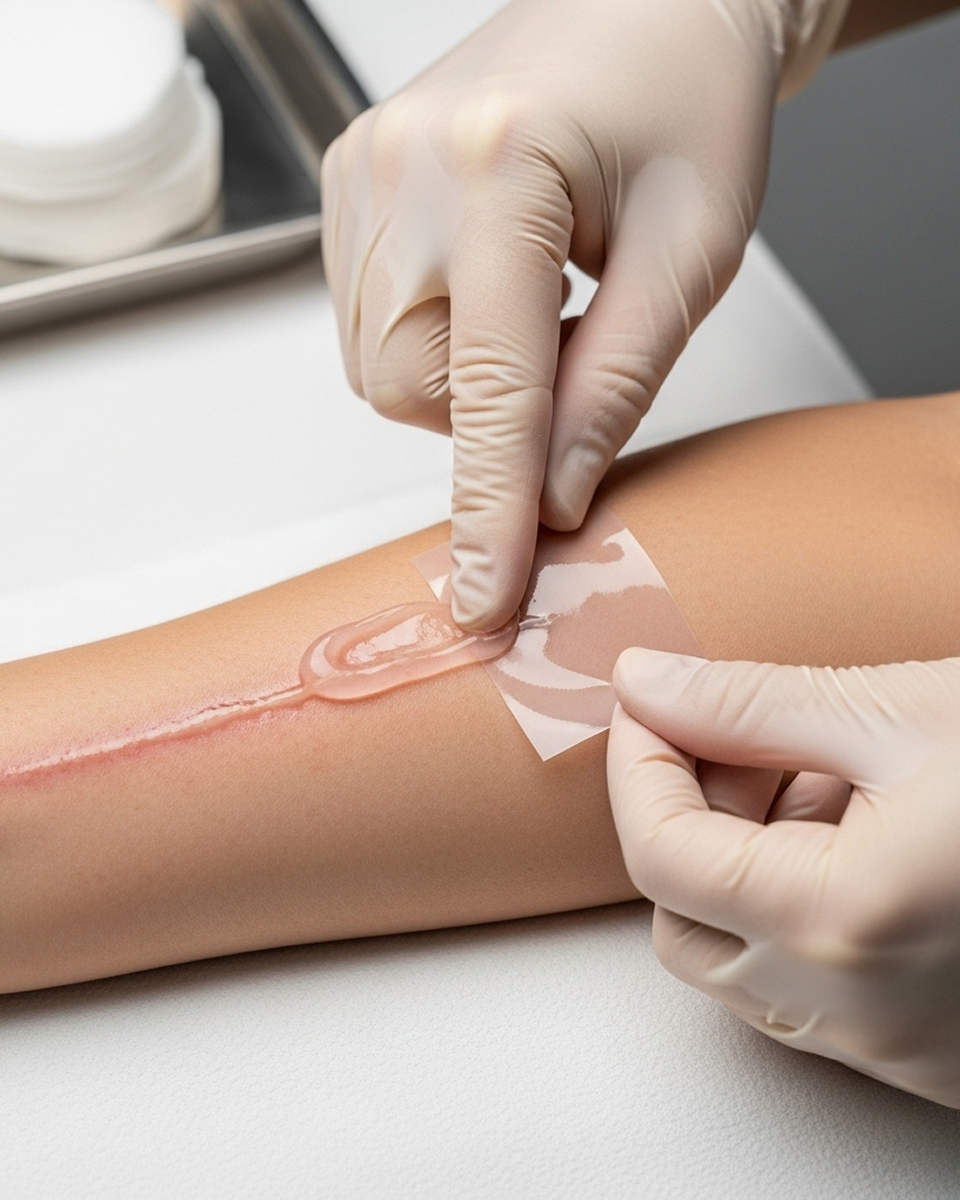
Because of its source, the Extracellular Matrix offers unique biological properties such as supporting new blood vessel growth, reducing inflammation and infection, and aiding tissue repair. It contains exosomes, which are natural cell messengers that carry genetic information and proteins to promote healing and regeneration.

Our Products

Our products are supported by scientific research and are manufactured in the United States to ensure quality, safety, and potency. For comprehensive information regarding our product line and pricing, please request access below. Additionally, we offer scientific data and literature for review, enabling you to thoroughly evaluate the safety and efficacy of our offerings.

At Healing Biologix, we are committed to transparency and excellence. We strive to provide clients with all necessary details to facilitate well-informed decisions. By choosing our scientifically validated products, you can have confidence in delivering optimal care to your patients.

Testing

Donors of perinatal tissue used for Healing ECM are screened for high-risk behaviors and diseases according to FDA regulations (CFR Title 21 Part 1271). Testing ensures donors are negative or nonreactive for Hepatitis B and C, HIV, Syphilis, HTLV, West Nile Virus, and CMV. All disease testing is performed by an FDA-registered and CLIA-certified laboratory. A licensed Medical Director confirms tissue eligibility for human use. Prior to distribution, Quality Control reviews all records and verifies that storage conditions meet safety and quality standards.

Growth Factors

Basic fibroblast growth factor possesses broad mitogenic and cell survival activities, and is involved in a variety of biological processes, including embryonic development, cell growth, morphogenesis, and tissue repair. During wound healing of normal tissues, bFGF promotes the formation of new blood vessels, a process known as angiogenesis.

Hepatocyte growth factor is a paradise cellular growth, motility, and morphogenic factor. It is secreted by mesenchymal cells and acts as a multi-functional cytokine on cells of mainly epithelial origin. This protein also plays a role in angiogenesis and tissue regeneration. It has shown to have a major role in embryonic organ development, specifically in myogenesis, in adult organ regeneration, and in wound healing.

Intracellular adhesion molecule 1 has been shown to promote skin wound healing. Restoration of tissue homeostasis following pathogenic insult or injury initiates with inflammatory resolution, which involves clearance of inflammatory immune cells and reprogramming of tissue resident cells to a pro-resolution phenotype. The tissue remodeling phase involves re-epithelization (restitution and regeneration of injured tissue), vascularization, and formation of new capillary networks.

Inflammatory effects of IL-1 (Inhibition of IL-1 binding/ activation [Interleukin-1 is a cytokine with potent inflammatory and immune-amplifying effects]). IL-1Ra also been known as a strategy for the treatment of rheumatoid arthritis by the inhibition of IL-1.

Vascular endothelial growth factor is a multifunctional factor primarily involved in the regulation of proliferation, differentiation, and survival of endothelial cells, as well as in vascular permeability. VEGF is a signal protein produced by many cells that stimulates the formation of new blood vessels after injury, muscle following exercise, and new vessels (collateral circulation) to bypass blocked vessels. It is part of the system that restores the oxygen supply to tissues when blood circulation is inadequate, such as in hypoxic conditions.

One function of macrophage colony-stimulating factor receptor signaling is to promote tissue protection and healing following damage. MCSF R signaling also directly regulates osteoclast function. Osteoclasts are multi-nucleated cells that absorb and remove bone, which is critical for the growth of new bones and the maintenance of bone strength.

Granulocyte colony-stimulating factor is a target hematopoietic cell stored in the bone marrow; it promotes the growth and development of white blood cells, which helps fight infections.

Metallopeptidase inhibitor 1 plays a crucial role in extracellular matrix (ECM) composition and wound healing.  The glycoprotein is a natural inhibitor of the matrix metalloproteinases (MMPs), a group of peptidases involved in the degradation of the extracellular matrix. In addition to its inhibitory role against most of the known MMPs, the encoded protein is able to promote cell proliferation in a wide range of cell types and may also have an anti-apoptotic function (inhibition of programmed cell death).

Metallopeptidase inhibitor 2 is not merely an anti-protease (a chemical that interferes with the hydrolysis [breakdown] of proteins by a protease enzyme), but also a protein that could influence many signaling processes, including aging and inflammation processes. TIMP2 has been linked to the overall survival in mice and reduced aging within the brain.

Other Wound Care Products

Frequently asked questions

Exosomes are extracellular vesicles involved in cellular communication and currently being studied in scientific research. Wharton’s Jelly is a connective tissue found within the umbilical cord that contains structural and bioactive components.

The products we provide are human tissue–derived materials intended for use by licensed healthcare professionals. They are manufactured and distributed in accordance with applicable federal and state regulatory requirements.

We believe in transparency about what these products are — and what they are not.

These products are not FDA-approved drugs or biologics.


Human cell and tissue products are regulated under the Public Health Service Act and the Federal Food, Drug, and Cosmetic Act. The U.S. Food and Drug Administration (FDA) provides guidance regarding how human tissue products may be regulated depending on processing and intended use.


Clinical decision-making and regulatory compliance ultimately rest with the licensed healthcare provider. We do not market these products as drugs, nor do we make disease claims.

All tissues are obtained from full-term, healthy live births following informed maternal consent.

Donor screening includes medical and social history review along with laboratory testing for relevant communicable diseases in accordance with applicable regulatory standards.

Documentation, including Certificates of Analysis (COAs) and sterility data, is available to qualified healthcare providers. Traceability and compliance matter — and we take them seriously.

Scientific research into extracellular vesicles and umbilical cord–derived tissues is ongoing and continues to evolve.

These products have not been evaluated by the FDA for safety or effectiveness for any specific disease or condition. Healthcare providers are responsible for reviewing available literature, determining appropriate patient selection, obtaining informed consent, and practicing within the scope of applicable law.

We encourage providers and patients alike to make informed decisions grounded in science and regulatory awareness.

Our products are available exclusively to licensed healthcare professionals. They are not sold directly to consumers.

Providers are responsible for determining appropriate use, following all federal and state regulations, avoiding unapproved marketing claims, and maintaining proper patient documentation and consent.

We support clinicians who prioritize compliance, ethics, and transparency.

Disclaimer

These products are human tissue–derived materials intended for use by qualified healthcare professionals. They are not approved by the U.S. Food and Drug Administration as drugs or biologics and are not intended to diagnose, treat, cure, or prevent any disease. All clinical decisions are the responsibility of the licensed healthcare provider.

Advance Patient Recovery and Results

Empower your patients’ healing potential with VESF.
Request Clinical Details or Product Training